Amphora-Aged Wines
Tom King, Fine Wine Manager on 20 Aug 2026
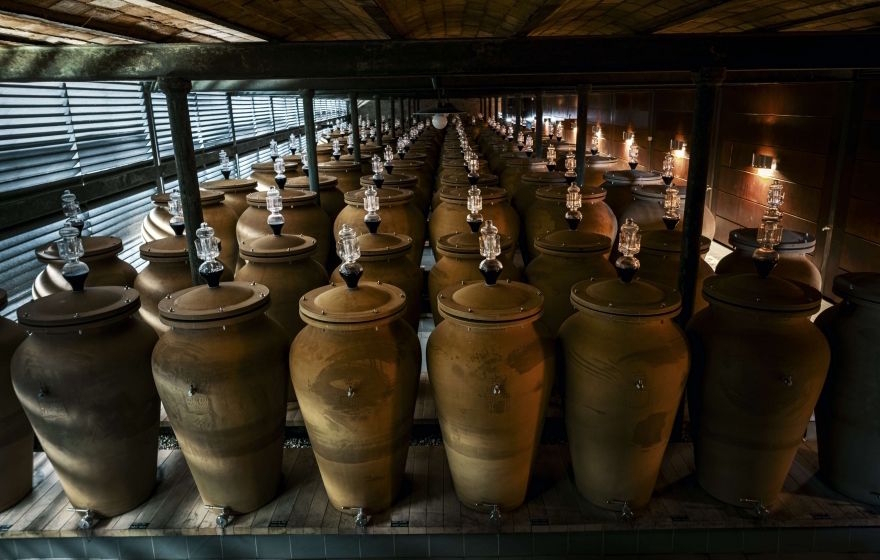
Amphora cellar at Château Durfort-Vivens, Margaux - photo credit G&C Lurton
Ancient Disposable Commodity
In the ancient Mediterranean world, the amphora was the standard storage and transport container for wine, olive oil and garum (Roman fermented fish sauce). Made from terracotta, amphorae were cheap and portable, and could be packed together efficiently in a warehouse or the hold of a ship. To prevent leakage, the porous ceramic material was lined with pine resin, lending its own flavour to the contents (this is thought to be the origin of retsina wine). The amphora was so commonplace and disposable that Monte Testaccio in Rome is built from the broken pieces of more than 50 million of them, forming a mound 45m high and nearly a kilometre in circumference.
The Rise of the Barrel
After Rome subdued Gaul in the first century BC, the empire had access to Gaulish oak and barrel-making expertise. Less breakable, more reusable and capable of safely transporting larger volumes in a single vessel, the barrel was widespread by the fourth century AD, and the amphora dwindled. Even in more recent times, with the advent of stainless steel, fibreglass, polyethylene and concrete, the wooden barrel's desirable contribution to the flavour and texture of wine (and beer, and Tabasco sauce) has ensured its continued use for fermentation and maturation.
The Amphora Rediscovered
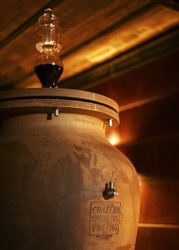
In the 21st century, winemakers are rediscovering clay jars for fermenting and ageing, inspired not just by the Greco-Roman amphora, but also by the Georgian qvevri and Spanish tinaja. Like barrels, these unglazed vessels micro-oxygenate the wine kept in them, rounding it out by developing breadth and richness of texture, and mellowing youthful fruit character. In contrast to barrels, however, the inert ceramic imparts no flavour itself, providing a 'transparency' for the clear expression of subtle terroir nuances.
Experience Amphora-Aged Wine
A number of our wines are aged entirely or partly in amphora or other clay vessels, and here are some particular recommendations:
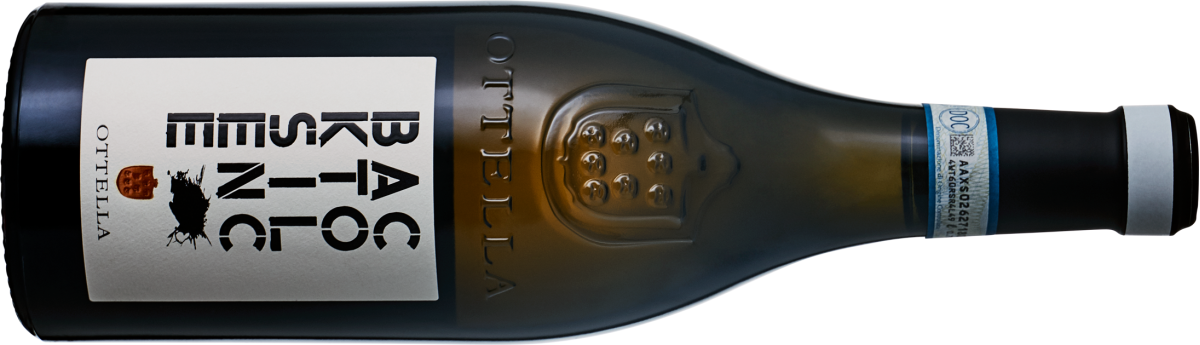
This is made from Turbiana grapes grown on Ottella's vineyards near Lake Garda, within the Lugana DOC, however, it is not labelled as such, since it is very different from a typical Lugana wine. It is fermented and aged in amphora, and macerated on the skins for about a month, like a red wine. It has a glorious copper colour and an expressive fragrance of quince and rose petals, spritzed with grapefruit zest and bitter orange. On the palate, there's a whisper of tea-like tannin, superbly-balanced by an abundance of flavour and a long, complex finish. With exposure to air, the aromas turn autumnal, with cider apple, perry pear and medlar. This magnificent wine fine-tunes an ancestral craft with modern precision.
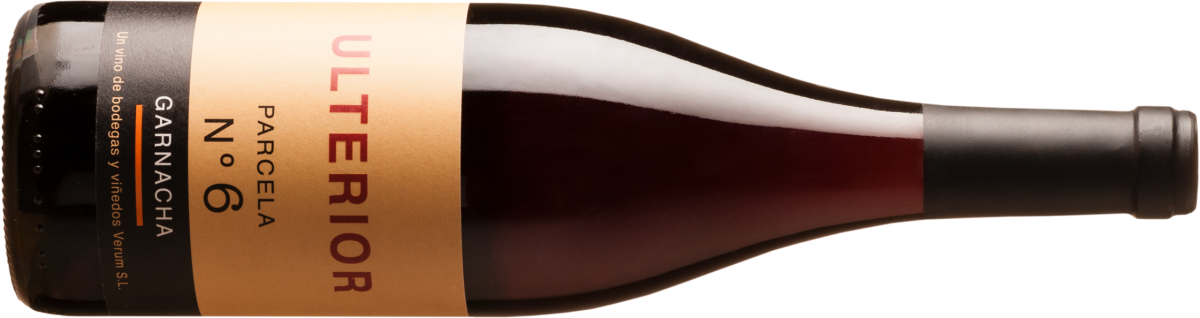
Ulterior Garnacha 'Parcela No. 6'
Crafted in the traditional Spanish method, prior to 19th century French input, this is aged underground in large clay 'tinajas'. Winemaker, Elias Lopez, describes it as 'Spain's answer to Pinot Noir,' and it's easy to see why: mellow and subtle, with a concentration and complexity that belie its transparent peach-rose colour. With multifaceted aromas evoking overwintered rosehips, tart cherries, Darjeeling tea, dried rose petals and a walk through the woods, there is much to compare with aged red Burgundy, along with its bright acidity and modest alcohol. Its alluring apricot character sets it apart as Garnacha, however. Succulent, rounded and with a surprising richness, it has caressingly-soft, satiny tannins and a hauntingly long finish. This marvellous wine is drinking beautifully now.
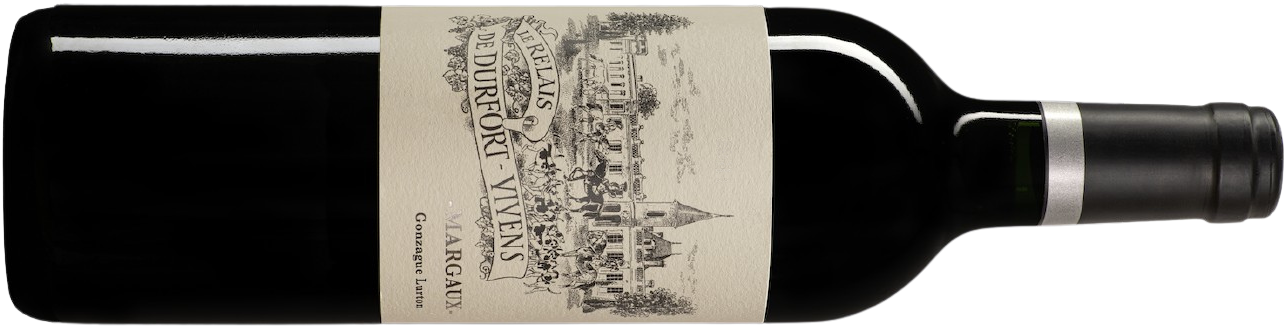
Margaux 'Le Relais de Durfort-Vivens'
By Grand Cru Classé, Château Durfort Vivens, Le Relais is a delicious, classic Margaux wine, fermented and aged for 16 months entirely in amphorae. It has juicy black cherry aromas, with spicy hints of juniper. Fresh and supple-textured in the mouth, with beautiful balance and excellent length. Durfort-Vivens stands out among the wines of the appellation for its high percentage of Cabernet Sauvignon (90% in the Grand Vin, around two-thirds in Le Relais), with the balance made up mostly of Merlot, and a small seasoning of Cabernet Franc.
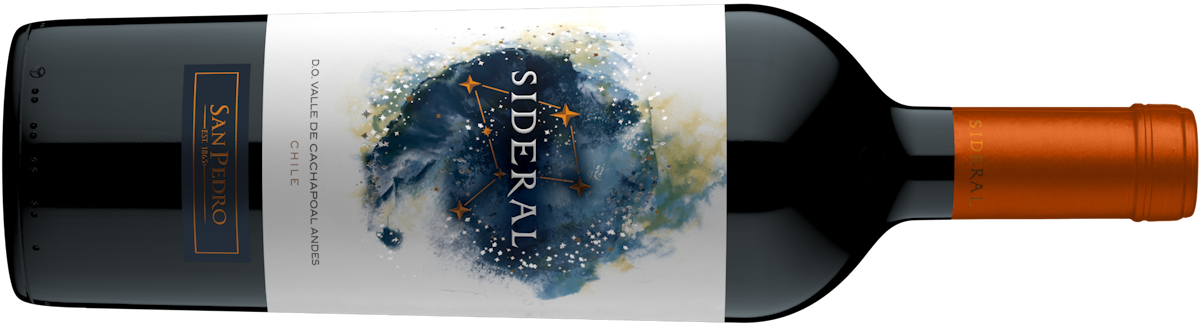
Sideral, San Pedro, Cachapoal Andes
Fermented and aged in a combination of amphorae and French oak barrels, Sideral is from the premium Cachapoal Andes region, and composed of an historic blend of Bordeaux grape varieties. The components of the final blend were vinified and aged separately to achieve complexity of aroma and flavour, enhancing the terroir characteristics. The aromas are fresh, inviting and complex, with notes of blackberry, blackcurrant and rhubarb. In the mouth, it is rich and soft, with rounded, velvety tannins and lovely juicy fruit character. A superbly well-balanced and well-rounded wine, this is extremely easy to enjoy.

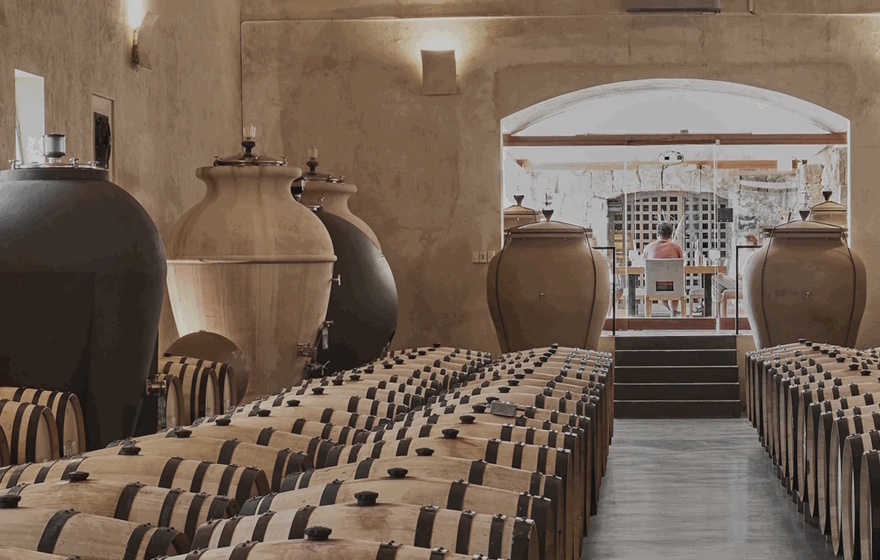
Amphorae and other fermentation vessels in the San Pedro Cachapoal Andes cellar - photo credit San Pedro